

Gastric Sleeve
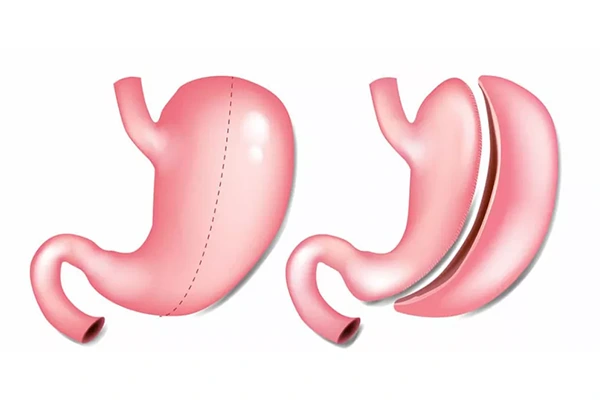
.
Are you looking for an effective and safe way to overcome severe obesity and regain your energy and vitality? Gastric Sleeve surgery is considered an ideal solution for many who have struggled to lose weight through traditional methods. By reducing the size of the stomach and decreasing appetite, this procedure supports sustainable weight loss, improves overall health and daily activity, and lowers the risk of chronic diseases. Discover how this procedure can transform your life for the better.
What is gastric sleeve?
Gastric sleeve surgery is a surgical procedure that permanently reduces the size of the stomach, which helps limit the amount of food a person can eat and thus leads to weight loss. During the procedure, the surgeon removes about 70-80% of the stomach, leaving a small, thin tube-like portion or “sleeve” of the stomach, hence the name.
Why is gastric sleeve surgery performed?
- Treatment of Severe Obesity:
Treatment of morbid obesity: Gastric sleeve surgery is a solution for people who suffer from morbid obesity, where their body mass index (BMI) is higher than 40, or higher than 35 with health problems related to obesity. - Reducing the Risk of Chronic Diseases:
Obesity leads to many chronic health problems, such as diabetes, heart disease, high blood pressure, and high cholesterol levels. Gastric sleeve surgery can help significantly reduce these risks - Improving Quality of Life:
Obesity negatively affects a person’s ability to perform everyday activities, such as walking or climbing stairs. - Psychological conditions:
In addition to the physical effects, obesity also negatively impacts patients’ psychological well-being, as many of them suffer from feelings of frustration and anxiety. - Failure of other solutions:
Some people resort to reducing stomach size after multiple attempts to lose weight through diets and exercise programs without achieving significant or lasting results.
How is gastric sleeve surgery performed?
Do you know how gastric sleeve surgery is performed and what steps doctors follow to carry out this procedure?
Use of laparoscopic surgery
Initially, the procedure is performed using a laparoscopic approach, which is less invasive than traditional surgeries, reducing surgical risks and recovery time. The surgeon makes several small incisions in the abdomen, usually between 4 to 5 incisions, to insert the surgical instruments and camera.
Removal of the majority of the stomach
After inserting the instruments, the surgeon removes about 70-80% of the stomach, leaving a small, tube-like or “sleeve” portion. This remaining portion of the stomach is small enough to significantly reduce the amount of food eaten, helping the patient feel full quickly. This portion also reduces the secretion of ghrelin, known as the “hunger hormone,” which reduces appetite after surgery.
The procedure is usually performed within 60 to 90 minutes under general anesthesia. After removing the largest part of the stomach, the surgeon closes the incisions with small stitches, taking care not to leave any leaks in the area of the removed stomach.
Recovery period:
After surgery, the patient stays in the hospital for two to three days for observation to ensure that there are no complications. The initial recovery period is relatively short, as patients can return to their normal activities within 4 to 6 weeks.
Life after gastric sleeve surgery:
After surgery, patients’ lives change dramatically in terms of eating habits and overall lifestyle. It is important to follow the instructions of the doctor and specialists to ensure the long-term success of the procedure. Here are some important aspects of life after gastric sleeve surgery:
Dietary changes:
Initially, the diet is based on liquids and soups, then gradually transitions to soft and then solid foods. Eating small amounts of food slowly and chewing well is also an essential part of ensuring that you do not feel full or nauseous.
Maintain hydration:
After gastric sleeve surgery, maintaining hydration becomes essential, but fluids should be consumed slowly and throughout the day, avoiding drinking during meals to avoid feeling overly full.
Dietary supplements:
Because surgery reduces the amount of food you can eat, absorption of vitamins and minerals may be reduced. Therefore, it is recommended to take nutritional supplements containing essential vitamins and minerals such as iron, calcium, and vitamins B12 and D.
Follow up with your doctor
It is essential to follow up with your doctor regularly after surgery to assess your weight loss progress and ensure there are no complications.
Maintaining weight:
After weight loss from surgery, you must continue to adhere to a healthy diet and physical activity to maintain the results, as the weight can return if these habits are not maintained.
The main health benefits of gastric sleeve surgery:
- Weight loss: Gastric sleeve surgery helps achieve fast and sustainable weight loss.
- Improving diabetes: it helps manage type 2 diabetes and may reduce the need for medication.
- Lowering blood pressure: Losing weight helps improve blood pressure and reduces the risk of heart disease.
- Relieving sleep apnea: it helps improve or eliminate this condition.
- Reducing joint pain: Losing weight helps relieve pressure on the joints and ease the pain.
- Improving mental health: it boosts self-confidence and enhances mood.
- Increased activity: boosts your ability to engage in daily activities and improve overall fitness.
What makes gastric sleeve surgery different from other common obesity procedures?
Gastric sleeve surgery differs from other procedures such as gastric bypass or gastric banding in several important aspects:
- Rapid and sustainable weight loss without the need to reroute the intestines, which reduces the risk of malabsorption and vitamin deficiencies.
- A less complex procedure as it does not require rerouting the intestines or placing foreign devices in the body.
- No need for later adjustments unlike gastric banding, gastric sleeve surgery does not require frequent follow-up visits for modifications.
- Faster recovery, as patients can return to their daily lives more quickly compared to gastric bypass.
Discover how a gastric balloon can help you lose weight in a safe, non-surgical way.
Finally:
Imagine the feeling of moving freely, feeling light after every meal, and waking up each day with renewed energy and a confidence you have never known before. Gastric sleeve surgery is not just a procedure; it is a key to transforming your entire life. It is an investment in your health, happiness, and future. Today’s decision could be the beginning of a new chapter in your life, where every health challenge becomes an opportunity, and every step forward is a real success.
 Arabic
 English