

Liposuction
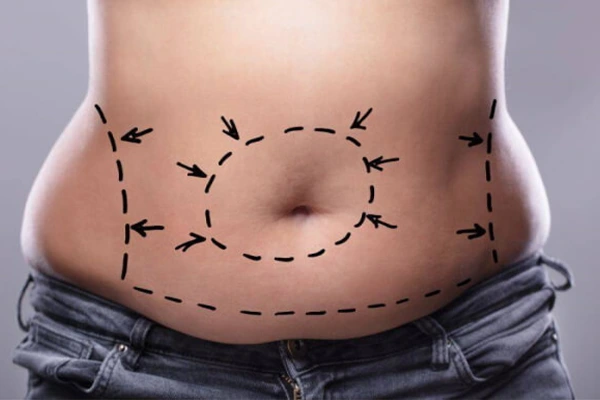
.
Are you tired of stubborn fat that won't disappear despite dieting and exercise? You're not alone. Many people struggle with fat deposits in certain areas that remain resistant no matter how much effort they put in. This is where liposuction comes in — one of the most sought-after cosmetic procedures worldwide, giving you the shape you want with precision and effectiveness. Discover everything you need to know before making your decision.
What is liposuction?
Liposuction is a cosmetic surgical procedure that aims to remove excess fat that has accumulated in certain areas of the body that may not respond to diet or exercise. The procedure relies on the use of different techniques to break up and suction fat cells from the targeted areas, such as the abdomen, thighs, buttocks, arms, and neck.
It is worth noting that this procedure is not a weight loss solution, but rather a tool to improve body contour and enhance overall appearance.
Reasons to choose liposuction:
There are many reasons that may lead people to consider this procedure, whether for cosmetic or medical purposes. Among these reasons:
Improving body appearance:
Liposuction helps get rid of accumulated fat in certain areas that are difficult to get rid of through diet and exercise, achieving a more harmonious and defined appearance.
getting rid of Stubborn fat:
Some people may suffer from fat accumulation in certain areas such as the abdomen or thighs, despite adhering to a healthy lifestyle.
Improving self-confidence:
Getting a more attractive and toned appearance can boost a person's self-confidence and increase their satisfaction with their body.
Helping with the treatment of certain health conditions:
In some cases, liposuction may be used as part of the treatment for lymphedema (fluid accumulation), or to reduce breast size in men with gynecomastia.
Body deformity correction:
Liposuction can be useful in reshaping specific areas of the body after significant weight loss or after previous surgeries.
The most common areas for liposuction and body contouring:
- The belly:A common area for fat accumulation that's tough to get rid of through exercise or dieting.
- Hips and thighs: to improve shape and proportion, especially for women.
- Arms: to eliminate excess fat, often complemented by [[arm lift] for a firmer and more defined result.
- The back: to get rid of the fat accumulated around the upper and lower back.
- Neck and chin: for treating double chin and improving the appearance of the neck.
- Chest: To reduce gynecomastia in men.
- Waist: to define the waist shape and improve overall harmony.
Who is the ideal candidate for liposuction?
Before considering the procedure, the most important question is: are you a suitable candidate? The answer depends on several factors that must be taken into account.
You are the ideal candidate if…
- Your weight is close to ideal and you have stubborn localized fat that does not respond to exercise or diet
- Your skin has good elasticity , helping it conform to the new shape after fat removal
- You are in good general health and free from heart disease or clotting disorders
- Your expectations are realistic and you understand that the goal is to improve body contour, not drastically change your appearance
- You are committed to a healthy lifestyle to maintain long-term results
The procedure may not be suitable for you if…
- You suffer from severe obesity, as liposuction is not a substitute for weight loss
- You have chronic conditions such as uncontrolled diabetes or wound healing problems
- Your skin has significantly lost its elasticity, as unwanted sagging may appear after the procedure
- You are pregnant or breastfeeding
- You are a continuous smoker, as smoking negatively affects recovery and increases the risk of complications
Top Liposuction Methods: Innovative Techniques to Achieve the Best Results
There are many Liposuction methods that can be used depending on the patient’s needs and the targeted area, and each technique has its own advantages and disadvantages. Here are the most prominent methods used:
Traditional liposuction:
The surgeon injects a saline solution mixed with a local anesthetic into the targeted area, which helps reduce bleeding and facilitates the suction process. A thin tube known as a cannula is then inserted to suction out the accumulated fat. This method is popular and effective, especially for removing large amounts of fat, but the recovery period may be longer compared to other techniques.
Laser liposuction:
It relies on using laser beams to break up fat cells before suctioning them, which facilitates their removal and reduces swelling and bruising after the procedure. This method also helps to tighten the skin to some extent, so some people prefer it to make improvements in delicate areas such as the chin and neck.
Ultrasound liposuction:
Or what is known as VASER. In this technique, ultrasound energy is used to break up fat cells, making them easier to remove, especially in areas that contain fibrous fat such as the back. Ultrasound liposuction contributes to obtaining precise results while reducing the possibility of complications such as scarring or damage to surrounding tissue.
Water-assisted liposuction:
It is a technique that relies on pumping a saline solution under high pressure to break down the fat and then suction it out. This method is gentle on the tissues and reduces swelling and pain after the procedure, but it may be less effective when dealing with large amounts of fat.
How is liposuction performed step by step?
Liposuction is not a decision made hastily, but rather a well-organized journey that begins before you enter the operating room and continues until your recovery is complete. Here's everything that happens, step by step:
1. Anesthesia
Based on the size of the area being treated and the amount of fat, the doctor chooses between:
- Local anesthesia: for small areas
- General anesthesia: for large or multiple areas
2. Identifying the target areas
Immediately before starting the procedure, the surgeon makes precise markings on the areas that will be suctioned to ensure consistent results.
3. Making Small Incisions
The surgeon makes very small incisions, no more than a few millimeters in size, in the skin, which reduces the likelihood of noticeable scarring after the procedure.
4. Inserting the Cannula and Liposuction
A thin tube called a cannula is inserted under the skin, and the surgeon carefully moves it to break up the fat cells and gradually suction them out. This stage usually takes between one and three hours, depending on the size of the area.
5. Wound Closure and Dressing
After the aspiration is complete, the incisions are closed with simple sutures, and compression bandages are applied to the treated areas to reduce swelling and promote healing.
Basic instructions to ensure a quick recovery after liposuction:
- Wear compression garments: They help reduce swelling and support the skin and should be worn for 2-6 weeks as directed by your doctor.
- Rest and avoid strenuous activities: It is recommended to rest for several days and avoid strenuous activities for 2-4 weeks. Light movement such as walking is important.
- Taking medications: Adhering to prescribed medications such as pain relievers and antibiotics to avoid infection.
- Wound care: Keep wounds clean and dry and change bandages as directed by your doctor.
- Managing Swelling: Swelling is normal and may last for weeks. Elevating the treated areas helps reduce it.
- Drink fluids: Drinking plenty of water helps speed up recovery.
- Doctor's follow-up: Visit the doctor for a check-up and to ensure the progress of the recovery.
- Avoid smoking and alcohol: Smoking and alcohol affect recovery, so they should be avoided.
- Monitor symptoms: If abnormal symptoms such as severe pain or discharge occur, a doctor should be consulted immediately.
When can I see the final results of liposuction?
Typically, the initial results of liposuction can be seen several weeks after surgery, once the swelling begins to subside. However, it may take 3 to 6 months to fully see the final results. During this time, the body continues to heal, and swelling gradually subsides, allowing the final shape of the treated area to appear.
Is liposuction safe for all ages?
There is no single answer, as safety is not solely determined by age but also by overall health and skin elasticity. Recovery is faster and results are better in younger individuals, while in middle age the procedure remains possible with a more thorough evaluation by a doctor. Those over sixty may experience increased risks due to decreased skin elasticity and the potential for chronic diseases, but it is not impossible. Ultimately, a healthy fifty-year-old may be a better candidate than a forty-year-old with chronic conditions, so the final decision rests with your specialist.
Can fat be restored after liposuction?
Yes, it is possible for fat to accumulate again after liposuction if a healthy lifestyle is not followed. Although the removed fat cells do not grow back, the body can store the remaining fat in other areas.
If a person gains weight after the procedure, the fat may spread to other areas that were not liposuctioned. Therefore, to maintain the results of the procedure, it is necessary to follow a balanced diet and exercise regularly.
In short, the procedure provides permanent results in the targeted areas, but maintaining these results requires commitment to a healthy lifestyle.
Finally:
Liposuction may be the step you need to achieve the figure you've always wanted, but it's not magic or a shortcut. Its results are real and lasting, provided they are based on an informed decision, realistic expectations, and a commitment to a healthy lifestyle afterward. Before taking any steps, consult with a specialist who can assess your situation and guide you toward the most suitable option for your body and health, because the best result is the one that suits you specifically.
 Arabic
 English