

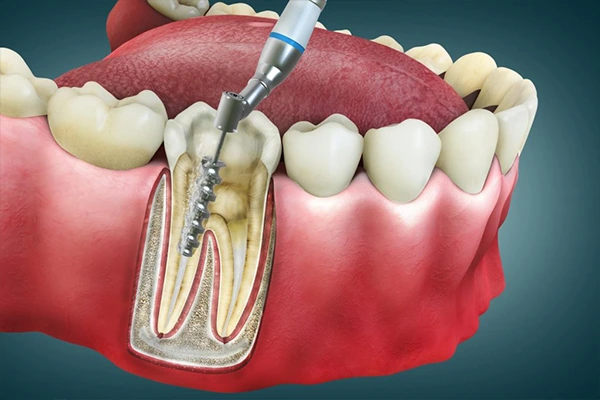
Millions of people around the world delay visiting the dentist out of fear of pain, but what they don't know is that the delay itself is the real cause of even greater pain. When inflammation reaches deep inside the tooth, what could have been a simple treatment turns into a much bigger problem.
Root canal treatment, thanks to modern technology, has become a painless and effective procedure for preserving your natural tooth from the roots. In this article, we take you on a comprehensive journey to understand when you need it and how it is performed.
What is root canal treatment?
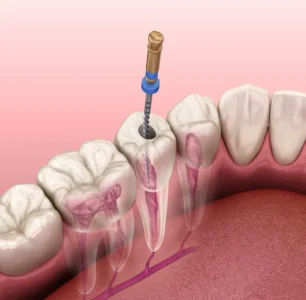
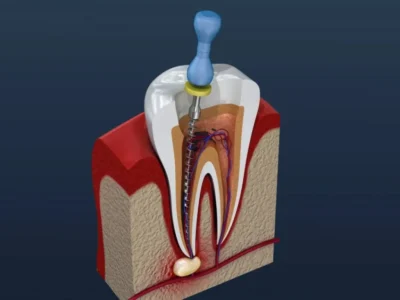
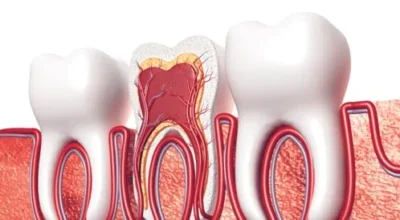
Root Canal Treatment is a medical procedure used to treat inflammation or infection inside a tooth. A tooth is made up of several layers: enamel, dentin, and the pulp that contains blood vessels and nerves. When the pulp gets infected due to deep decay, fractures, or injuries, it becomes necessary to perform a root canal to save the tooth and prevent the infection from spreading.
The goal of root canal treatment:
- Relieving pain: Removing the nerve and the affected tissues to get rid of the intense pain caused by inflammation or infection.
- Maintaining your teeth: Preserving the natural tooth instead of extracting it, keeps the natural oral structure and functions intact.
- Preventing the spread of infection: Cleaning and disinfecting the root canals to prevent the spread of infection to nearby teeth or surrounding bone.
What’s the difference between root canal treatment and regular filling?
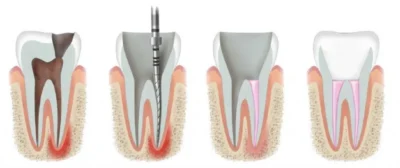
- Root canal treatment:it deals with the inside of the tooth (the pulp) where the infected nerve is removed, and the root canals are cleaned and disinfected, then filled with a special material to prevent reinfection.
- Cosmetic Dental Filling: It's used to repair surface or deep cavities caused by decay without touching the pulp of the tooth. It involves drilling out the affected area and filling it with materials like composite or amalgam.
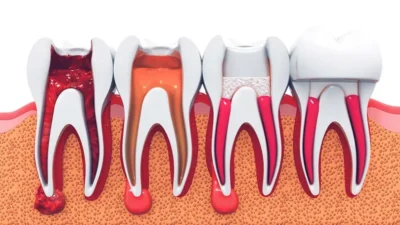
What are the reasons that call for root canal treatment?
Root canal injury occurs when the pulp of the tooth, which is the soft tissue at the center of the tooth that contains nerves and blood vessels, becomes infected or inflamed. There are several main causes that lead to root canal injury, including:
- Deep tooth decay
Cavities usually start from the enamel layer and continue to spread into the tooth until they reach the pulp, causing infection and inflammation. - Dental injuries or fractures.
If you fall or get hit hard, your tooth might crack or break, letting bacteria get into the tooth's pulp and causing an infection. Even small fractures that might not be obvious can lead to this. - .Severe gum infections
Gum inflammation or chronic gum disease can lead to gum recession and expose the roots, making it easier for bacteria to enter the root canals. - TheRepeated dental procedures
Repeated procedures like fillings or crowns can irritate the tooth's pulp, making it susceptible to infection. Also, large fillings or restorations that get close to the pulp can cause it to become inflamed. - Acid erosion
Soda or acidic foods can weaken the enamel and increase the risk of cavities and reaching the pulp of the tooth.
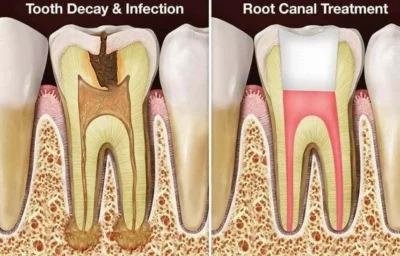
What are the symptoms that indicate the need for root canal treatment?
If you are experiencing any of the following symptoms, it may be necessary to visit your dentist for an accurate evaluation:
- Severe tooth pain
The pain can be constant or come and go, but it's usually quite intense and tends to get worse when chewing or pressing on the tooth, and it can radiate to the jaw or ear. - extreme sensitivity to heat or cold
Increased sensitivity to hot or cold foods or drinks indicates that decay or infection has reached the pulp of the tooth. - Swollen and puffy gums
Periodontal pockets or swelling of the gums around the affected tooth with accompanying pain indicate the presence of inflammation or an abscess. - tooth discoloration
The affected tooth may turn gray or brown, indicating that the pulp of the tooth is damaged or dead. - Dental abscess
Pockets of pus form around the tooth root, which can be very painful and cause swelling and puffiness. - Swelling of the face or neck
Severe infection can result in swelling of the face or neck, indicating that the infection has spread beyond the tooth.
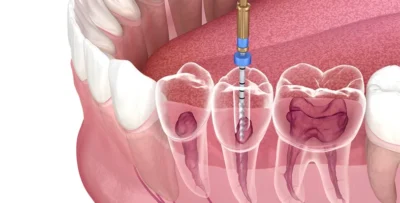
Main steps in root canal treatment:
Here are the essential steps followed in root canal treatment in detail:
Diagnosis and preparation
Root canal treatment begins with a thorough clinical examination by your dentist to assess the condition of the affected tooth. X-rays are used to determine the extent and depth of infection in the tooth root and surrounding bone. This helps in developing an appropriate treatment plan that ensures complete removal of the infection.
Anesthesia
Before the procedure begins, the area around the tooth is numbed with local anesthesia to ensure that you do not feel pain during the procedure. In some cases, your dentist may use additional local anesthesia if the condition requires it.
Open the tooth
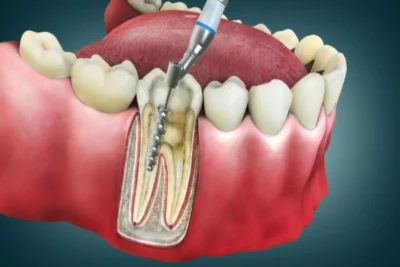
A small opening is made in the top of the tooth to access the pulp of the affected tooth. This opening allows the dentist to access the root canals and clean them effectively.
Removal of the nerve and affected tissue
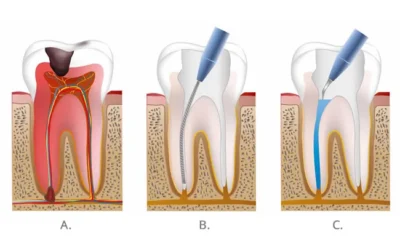
The dentist uses fine instruments to remove the infected nerve and damaged tissue from inside the root canals. This step is necessary to remove the source of infection and inflammation inside the tooth.
Root canal cleaning and sterilization
After the nerve and infected tissue are removed, the root canals are cleaned and sterilized using an antiseptic solution and special instruments. This ensures that bacteria are eliminated and infection is prevented from recurring.
root canal filling
Once the canals are cleaned and sterilized, they are filled with a special filling material called gutta-percha. This material seals the canals and prevents bacteria from entering again.
tooth closure and restoration
After the canals are filled, the upper opening of the tooth is closed with a temporary or permanent filling. In many cases, the affected tooth requires a permanent crown to protect it and restore its full function.
Follow-up and aftercare
After completing the treatment, the patient is advised to visit the doctor regularly to follow up on the condition and ensure the success of the treatment. Oral and dental care instructions must be followed to maintain the health of the treated tooth and the adjacent teeth.
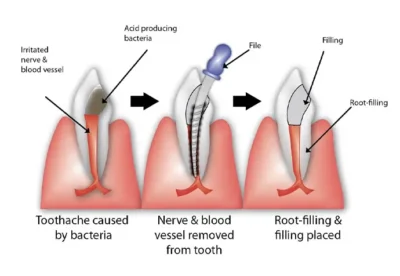
How long does root canal treatment take?
Root canal treatment usually requires one to two sessions at the dentist. In the first session, the tooth is examined and the condition is accurately diagnosed, which takes about 30 minutes to an hour. After that, the actual treatment begins, where the root canals are cleaned, sterilized, and filled. This part of the treatment can take anywhere from 60 minutes to two hours, depending on the complexity of the case and the number of root canals involved.
Dental care after root canal treatment:
After completing root canal treatment, it is essential to follow Daily Care Instructions to ensure proper healing and maintain the health of the treated tooth. Here are some tips for post-treatment tooth care:
- Brush your teeth twice daily and floss to remove food debris and plaque.
- Choose soft, easy-to-chew foods in the early days and try to avoid chewing on the processed side.
- Use pain relievers prescribed by your doctor to relieve pain and discomfort, and you can also use cold compresses on your face to reduce swelling.
- Make sure to attend all follow-up appointments scheduled by your dentist to monitor the healing process and ensure the success of treatment.
- If the treated tooth needs a permanent crown, schedule an appointment with your dentist to have it placed at the appropriate time.
- Eat a balanced diet rich in vitamins and minerals and avoid smoking and alcohol.
- Watch for any abnormal signs such as severe pain, increased swelling, prolonged sensitivity or abnormal discharge from the treated tooth. If any of these symptoms occur, contact your dentist immediately.
Is root canal treatment painful?
Root canal treatment is usually painless thanks to modern techniques and the use of local anesthesia. During the procedure, the area around the affected tooth is well numb, making the procedure painless in most cases. Patients feel some pressure or slight discomfort during the procedure, but actual pain is non-existent.
After treatment, the patient may feel some pain or discomfort that resembles sensitivity, especially when chewing or pressing on the tooth. This pain is a result of the tissues surrounding the tooth reacting to the treatment and can be easily managed with painkillers prescribed by the doctor. This pain usually goes away within a few days as healing continues.
Finally:
Your tooth pain is not something you have to endure — it is a message from your body asking you to take action. Don't wait until the situation gets worse — one visit to your dentist today could save you from months of suffering. Root Canal Treatment It is no longer as frightening as you imagine — it is the smartest step to maintain the health of your mouth and teeth. And remember, your dental health is part of your overall health, and you deserve both.
 Arabic
 English