

Arm Lift
.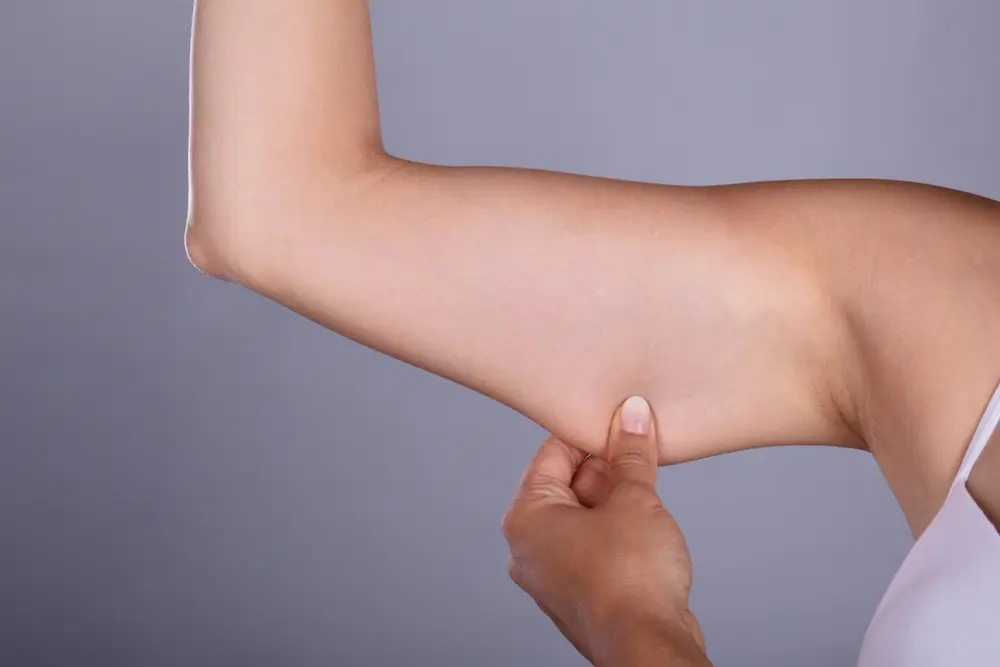
Many people look for solutions to sagging arms, which can appear with aging, after significant weight loss, or due to hormonal changes that reduce the skin’s elasticity and ability to bounce back. Here, the Arm Lift stands out as one of the most effective and widely used solutions, whether for those with mild sagging or for individuals who require a more comprehensive surgical procedure.
In this article, we explore the main causes of arm sagging, as well as the most important Arm Lift surgical and non-surgical Arm Lift techniques, along with a practical guide to help you choose the most suitable option for your condition safely and effectively.
What is arm lift?
An Arm Liftalso known as Brachioplasty, is a cosmetic surgery that reshapes the upper arms and gives them a more toned appearance. This is done by removing excess skin, tightening and smoothing tissue, and eliminating excess fat, giving the arms a slimmer, tighter appearance.
What are the main causes of arm sagging?
There are several causes of arm sagging, and understanding them is the first step toward choosing the most suitable solution for each case.
Aging:
As we age, our skin loses its ability to produce collagen and elastin, which are responsible for skin elasticity. This leads to sagging skin and the appearance of sagging in many areas of the body, including the arms.
Rapid weight loss:
Losing weight too quickly, whether through extreme diets or weight-loss surgery, can cause sagging skin in multiple areas. When the body loses subcutaneous fat too quickly, the skin doesn’t have enough time to contract, causing it to sag.
Lack of physical activity:
Not exercising regularly, especially strength training, leads to muscle loss in the arms. Muscle weakness makes sagging appear more pronounced.
Hormonal changes:
Hormonal changes, especially in women at different stages of life, such as pregnancy, childbirth, and menopause. As estrogen levels decline, the skin loses part of its elasticity and ability to regenerate.
If you are interested in improving your overall skin appearance, you can also explore Facelift procedures to achieve more balanced and natural-looking results.
Surgical and non-surgical methods for arm lift:
> Arm Lift procedures are divided into surgical solutions that provide long-lasting results and non-surgical options suitable for milder cases. Below are the main types:
Traditional surgery (Brachioplasty):
Traditional surgery is one of the most common Arm Lift solutions. It involves removing excess skin and sagging fat from the upper arms. This procedure typically leaves a scar that extends from the elbow to the armpit, but it provides long-lasting and noticeable results. It is suitable for individuals with significant sagging that cannot be treated with non-surgical methods.
Laser suction:
Laser is a less invasive option than traditional surgery. The laser is used to melt fat in the arms and tighten the skin at the same time. This procedure is effective for people with mild to moderate sagging, and requires a shorter recovery period than traditional surgery.
Radiofrequency (RF) and Ultrasound:
These techniques are among the most prominent non-surgical options for skin tightening, working by stimulating collagen production and gradually firming the tissues. Key technologies include Morpheus8 and Ulthera, which are suitable for mild to moderate cases. They require minimal recovery time, although their results are less dramatic compared to surgical procedures.
Exercise:
Exercise is one of the natural ways to tighten the arms, especially those that target the arm muscles such as weight lifting and aerobic exercises. Although exercises do not treat major sagging, they contribute to strengthening the muscles and improving the appearance of the arms over time.
How do you choose the right method for arm lift?
Choosing the most suitable Arm Lift method depends on several individual factors that must be considered to ensure safe and effective results.
General health assessment:
- Medical examination: It is necessary to undergo a comprehensive medical examination with a specialist doctor before making any decision. The examination helps determine the body’s suitability for the various procedures.
- Chronic diseases: Having conditions such as diabetes, high blood pressure, or heart disease may affect the type and safety of the procedure.
Degree of sagging arms:
- Mild to moderate sagging: Non-surgical procedures such as radiofrequency or laser tightening may be the best option, as they provide noticeable improvements without the need for a long recovery period.
- Severe sagging: In cases where there is significant sagging skin, traditional surgery (Brachioplasty) may be the most effective option for achieving permanent and noticeable results.
Personal goals and expectations:
- Long-lasting results: If you are looking for permanent, cosmetic results, traditional surgery may be the best option.
- Minor, quick improvements: If you're looking for minor improvements with a short recovery period, nonsurgical procedures may be right for you.
Risks and side effects:
- Traditional surgery: Carries risks such as infection, scarring, and changes in skin sensation.
- Non-surgical procedures: May include side effects such as redness, swelling, or not achieving the desired results completely.
Budget and cost:
- The cost of procedures varies greatly between surgical and non-surgical. You should determine your budget and consult your doctor about the options that suit you.
Recovery time:
Traditional surgeries require a longer recovery period than non-surgical procedures. If you prefer a quick return to your daily life, non-surgical options may be more appropriate.
How is a surgical arm lift performed?
The Arm Lift procedure is performed by a specialized plastic surgeon and involves several main stages:
Anesthesia:
The procedure begins with anesthesia to ensure the patient’s complete comfort and to prevent any pain during the operation. General anesthesia is typically used due to the nature and duration of the surgery.
Surgical incision:
After anesthesia, the surgeon makes an incision in the arm. The incision usually extends from the armpit to the elbow or lower, depending on the degree of sagging to be removed. The incision can be internal or external depending on the medical assessment, and the goal is to access the sagging tissue easily.
Removing excess fat:
The Liposuction may be used as part of the procedure, especially if there is a large amount of fat accumulated in the area. This step helps improve the shape of the arms more symmetrically after removing the excess skin.
Skin and tissue tightening:
The surgeon tightens the sagging skin and deep tissues beneath the skin, and the excess skin is trimmed to reshape the arms in proportion to the overall appearance of the body. This step is essential to achieving a tight and natural appearance.
Closing wounds:
After the skin is tightened and the excess tissue is removed, the surgeon closes the incision using dissolvable or non-dissolvable sutures as needed. At this step, care is taken to keep the surgical scar as hidden as possible to ensure the best appearance after healing.
Post-arm lift care:
After an Arm Lift procedure, post-operative care is an essential part of ensuring proper recovery and achieving the best possible results.
- Rest and avoid strenuous activities:
It is important for the patient to get enough rest during the first few days after the procedure. It is advisable to avoid strenuous activities or heavy lifting for 4 to 6 weeks to ensure no pressure on the surgical incisions and to avoid swelling. - Wearing compression garments:
The patient is usually asked to wear compression garments for the arm area for two weeks to a month. These garments help reduce swelling and encourage the skin to heal properly. - Surgical incision care:
The surgical area should be kept clean and the bandages changed regularly according to the doctor's instructions. It is preferable to avoid exposing the wounds to water in the first few days, and recommended creams or ointments can be used to help heal the incisions and reduce the appearance of scars. - Pain control:
After the procedure, the patient may feel some pain or discomfort. Painkillers prescribed by the doctor can be taken to relieve this. It is important not to take any medications without consulting the doctor to ensure that there are no unwanted reactions. - Swelling and bruising:
Swelling and bruising around the arms is normal for the first few days after surgery. Cold compresses can be used to reduce swelling, but be careful not to apply ice directly to the skin. - Avoid sun exposure:
It is advisable to avoid exposing the wound area to direct sunlight for a period of time, as this may affect wound healing and increase the possibility of dark scars appearing. In case of going out, it is preferable to use a sunscreen with a high protection factor. - Follow up with your doctor:
You should keep all follow-up appointments scheduled by your doctor to monitor your healing progress. If you experience any complications such as severe bleeding, fever, or abnormal swelling, you should see your doctor immediately. - Massage and post-recovery:
In some cases, your doctor may recommend gently massaging the area several weeks after surgery to improve circulation and reduce swelling and scarring. It is advisable to consult your doctor about when and how to start this step.
Finally:
Arm cosmetic surgery is not a luxury, but a real solution to a problem that affects many people’s confidence in their appearance. With significant advancements in cosmetic medicine, Arm Lift Arm Lift options are now more diverse than ever, ranging from surgery that provides long-lasting results to non-surgical procedures suitable for milder cases. In all cases, consulting a certified plastic surgeon remains the first and most essential step to achieving the best results that match your condition and expectations.
 Arabic
 English