

Facelift
.
Are you starting to notice sagging or wrinkles on your face that weren't there before? As we age, the skin loses its elasticity and fatigue begins to show on our features. This is where a facelift comes in as an effective solution to restore a youthful appearance naturally and safely. In this article, you will learn everything about facelift surgery, from its different types to the expected results, so you can make the right decision with confidence.
What is a facelift?
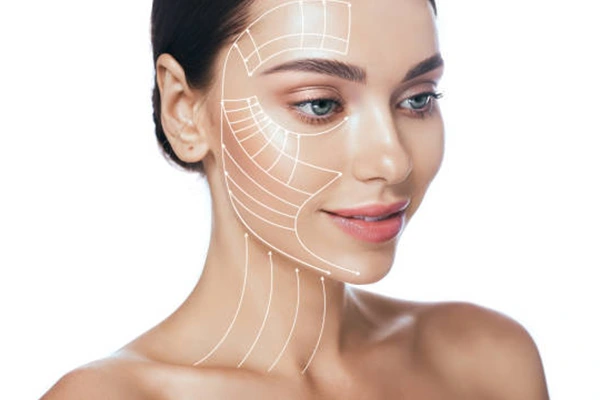
Facelift: is a surgical procedure aimed at improving the appearance of the face and neck by removing sagging and tightening the skin and deep tissues. A facelift primarily focuses on the lower and middle areas of the face, and can be part of a comprehensive plan that includes other techniques to improve the appearance of the skin and facial features.
Types of Facelift: Multiple Options to Improve the Appearance of the Face
Facelift comes in several types that vary depending on the patient’s needs and the targeted area. Below are the most prominent types with an explanation of each:
Traditional facelift (Full Facelift)
This is the most comprehensive type, tightening the deep tissues and skin of the entire face and neck. It focuses on reducing sagging in the cheeks, lower jaw, and neck, and is suitable for people with advanced signs of aging. The results of this procedure are long-lasting.
Mid-Facelift
This type focuses on the central area of the face, specifically around the cheeks and under the eyes. It is used to improve the appearance of sagging cheeks and is a good option for those who want to improve this area without the need for a full facelift.
Brow Lift
This type targets the upper part of the face, treating sagging and wrinkles in the forehead and lifting the eyebrows. It is suitable for those suffering from drooping eyebrows or deep wrinkles in the forehead area. It can also be combined with Eyelid Lifting for more comprehensive results around the eye and forehead area.
Thread Lift
It is a non-surgical option that uses special threads to lift and tighten sagging skin. This procedure is simple and minimally invasive, with a short recovery period, but it may only be suitable for mild cases of sagging.
Non-Surgical Facelift
This type includes non-surgical techniques such as fillers, lasers, and ultrasound to improve the appearance of the skin without the need for surgery. These options are suitable for people who want a simple or temporary improvement in their appearance.
Ideal Candidate: Who is the best candidate for a facelift?
- Visible sagging and deep wrinkles in the face and neck, which typically appear after the age of forty.
- Having good general health and no uncontrolled chronic diseases that could hinder recovery
- Having sufficient skin elasticity helps achieve natural-looking results after a lift.
- Having realistic expectations about the results, with an understanding that the procedure improves appearance but does not stop aging.
- Maintaining a stable weight and not planning major changes may affect the results of the procedure.
Preparing for a Facelift: Essential Steps to Ensure a Successful Procedure
- Meet with a plastic surgeon to discuss the details and your expectations for the procedure.
- Make sure to have the necessary tests done to ensure your health before surgery.
- Stop taking medications and supplements that may increase the risk of bleeding, like aspirin, in coordination with your doctor.
- Create a comfortable environment at home and have someone help you after surgery.
- Follow the doctor's instructions on when to stop eating and drinking before the surgery (usually 8 hours).
How is a facelift done?
Anesthesia
The process begins with choosing the appropriate type of anesthesia, either general or local with sedatives, depending on the patient's condition and the complexity of the procedure.
Creating surgical incisions
The surgeon makes incisions that vary depending on the type of operation; they may be long around the ears and scalp in a full lift, or smaller in limited cases.
Deep tissue lifting
The tissues under the skin are lifted and tightened to reduce sagging and improve facial shape, with fat being removed or redistributed if necessary.
Removing excess skin
The sagging skin is carefully removed, and then the remaining skin is naturally tightened to achieve a balanced and understated appearance.
Surgical incision closure
The incisions are closed using sutures or medical adhesives, and bandages are applied to help reduce swelling and speed up recovery.
Recovery period and expected results after a facelift:
Immediately After the Procedure
- Bandages are applied to reduce swelling and support the tissues
- Drainage tubes may be used to remove excess fluids
- Mild pain or discomfort is normal and can be managed with pain relievers
The First Week
- Swelling and bruising will appear (this is normal)
- Symptoms will gradually begin to improve
- It is recommended to keep the head elevated while sleeping
- Sutures are removed within 5–10 days
The Following Weeks
- Avoid physical exertion for 4–6 weeks
- Return to light activities after approximately two weeks
Final Results
- Results become more visible within 2–3 months
- Skincare and sunscreen use are recommended to maintain results
Benefits of a Facelift: Restore Youth and Confidence
A facelift delivers tangible and long-lasting results, most notably:
- Improved jaw and neck contours in a natural and visible way
- Results that last for years compared to non-surgical treatments
- Restoration of facial balance and youthful features
- Enhanced self-confidence and overall satisfaction with appearance
- Can be combined with other procedures such as a brow lift for more comprehensive results
How long do facelift results last?
The results of a facelift are long-lasting and typically last between 7 to 10 years. However, the duration of results varies depending on skin type, age, and lifestyle. Although the procedure rejuvenates the skin, the natural aging process continues, and skin care may be required to maintain the results for a longer period.
A facelift can be repeated if necessary. As time goes by and signs of aging persist, some people may need another facelift after several years to maintain a youthful appearance. It is always advisable to consult with a plastic surgeon to determine whether or not to repeat the procedure based on changes in facial features and skin.
If you are interested in other facial cosmetic procedures, learn more about our [Rhinoplasty] service at our clinic.
Finally:
A facelift is one of the most effective cosmetic procedures for those looking to restore their youthful appearance with natural and long-lasting results. Whether you are dealing with mild sagging or deep wrinkles, there is always an option that suits your condition and needs.
At our clinic, we are committed to providing a comprehensive consultation for every patient, ensuring you achieve the best results with complete safety. Do not hesitate to contact us to schedule your appointment and begin your journey towards a more beautiful appearance and greater confidence.
 Arabic
 English