

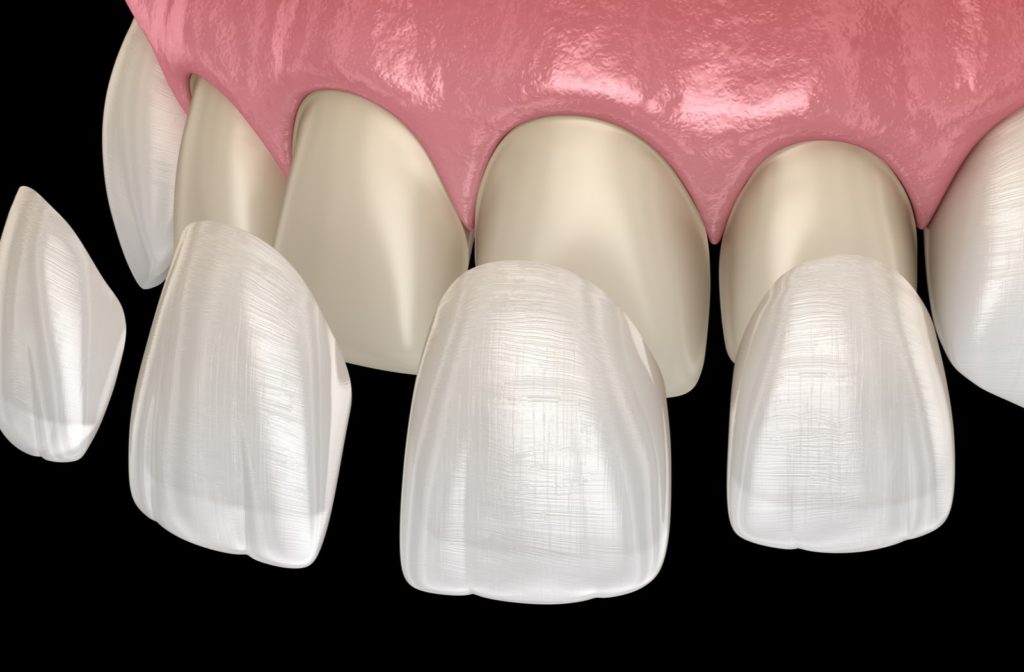
Dental Veneers are one of the most prominent innovations in the field of cosmetic dentistry and are an effective solution to improve the appearance of teeth and hide various defects such as stains, cracks, and gaps between teeth. The popularity of dental veneers has increased significantly in recent years, as many people seek to obtain a perfect smile with minimal surgical intervention.
In this article, we will comprehensively review everything related to dental veneers, starting from their definition, different types, and multiple benefits, to the details of the installation process and how to care for them afterward. If you are looking for comprehensive information about dental veneers, you are in the right place. Continue reading and find out more.
What is dental veneer?
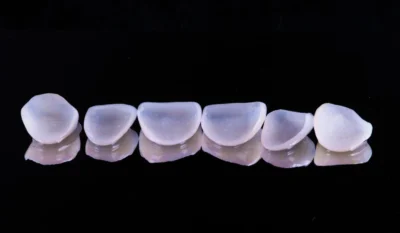
Dental Veneers are thin shells typically made from porcelain or composite material, bonded to the front surface of the teeth to improve their appearance. These shells are custom-designed to match the shape, size, and color of the natural teeth, ensuring a natural and attractive look.
Dental veneers are commonly used to correct imperfections such as cracks, discoloration, and gaps between teeth, resulting in a brighter and more harmonious smile. Thanks to their durability and stain resistance, dental veneers are considered a long-term solution for enhancing the beauty of teeth.
What problems can dental veneers solve?
Dental Veneers are an effective cosmetic solution that addresses a variety of issues related to the appearance of teeth. Here are the most prominent problems that dental veneers can solve:
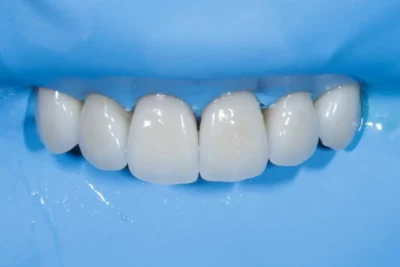
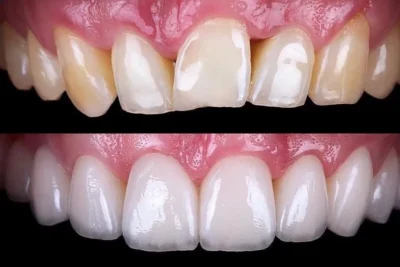
- Tooth discoloration: Veneers help hide stubborn tooth discolorations that do not respond to traditional whitening treatments, as veneers provide complete coverage of the front surface of the teeth, giving them a white and bright appearance.
- Cracked teeth: Dental veneers can cover minor to moderate cracks in teeth, improving their appearance and preventing the cracks from getting worse.
- Broken teeth: Veneers restore the natural shape of broken or worn teeth, enhancing the beauty of the smile and the function of the teeth.
- Gaps between teeth: Veneers fill in the small gaps between the teeth and as a result, give you a more harmonious and attractive appearance.
- Teeth irregularity: Dental veneers can be used to correct minor tooth irregularities without the need for braces, thus providing a quick and effective solution.
- Enamel erosion: Veneers restore the protective layer of teeth that was lost due to enamel erosion, protecting the teeth and enhancing their appearance.
Types of materials used in the manufacture of dental veneers
Here are the most notable materials used in the manufacture of veneers:
porcelain
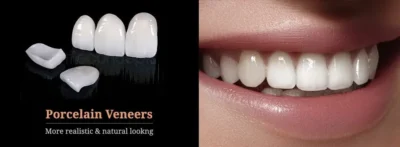
Porcelain is a commonly used material in the manufacture of dental veneers, characterized by its natural appearance that closely resembles natural tooth enamel.
Porcelain veneers are crafted from thin layers of ceramic, making them capable of resisting stains and discoloration over time. These veneers are custom-designed to match the shape, size, and color of each individual tooth, ensuring a natural and attractive appearance.
Despite its higher cost compared to some other materials, the durability and aesthetic appearance of porcelain make it a preferred choice for many people.
Composite:
Composite is another material used in the manufacture of dental veneers, known for its flexibility and ease of application. Composite veneers are applied directly to the teeth in the clinic, where they can be shaped and polished to look natural.
Composite is a more cost-effective option than porcelain and can be easily repaired in the event of any damage. However, it is less resistant to stains and discoloration, and may require more frequent replacement or maintenance.
Zirconia:
Zirconia is an extremely strong material suitable for making dental veneers, providing high durability and a natural appearance. Zirconia is characterized by its resistance to stains and discoloration, making it ideal for those seeking long-term solutions to improve the appearance of their teeth.
Despite their higher cost, zirconia veneers have the ability to withstand high pressure, making them an ideal choice for back teeth that are subjected to significant chewing forces.
Lumineers:
Lumineers veneer is a type of ultra-thin veneer that requires minimal removal of tooth enamel, and in some cases, requires no enamel removal at all. Lumineers are characterized by their easy and quick application, in addition to their natural and attractive appearance.
However, Lumineers may not be suitable for all cases, especially in cases of severe discoloration or significant tooth wear. Lumineers are considered a good option for those seeking minor and quick improvements in the appearance of their teeth without the need for extensive preparatory procedures.
E-max
E-max is another type made from lithium disilicate ceramic glass. E-max is characterized by its translucent and beautiful appearance, making it look very natural. It also offers high resistance to stains and discoloration, and is a strong and durable material that can last for a long time. E-max is an excellent choice for those seeking a combination of beauty and durability in dental cosmetic solutions.
Before installing dental veneers:
Before deciding to get dental veneers, there are several steps and procedures that must be followed to ensure the best possible results. Here is what you need to know and what to expect:
- Initial consultation:
First, you should visit your dentist for an initial consultation. During this visit, your dentist will examine your teeth and mouth in general to determine if dental veneers are the right option for you. Your goals and expectations for the treatment will be discussed, including the desired shape and color of your teeth. - Treatment plan:
Based on the initial evaluation, your dentist will create a personalized treatment plan for you. This plan includes determining how many veneers will cover your teeth and choosing the material to use for the veneers, whether it is porcelain, composite, zirconia, or other. The total cost of treatment and available financial options will be discussed. - Teeth preparation:
Before dental veneers are placed, the teeth must be prepared to ensure that the veneers adhere properly. A very thin layer of tooth enamel (about 0.5 mm) will be removed to make room for the veneers. In some cases, Lumineers may not require any enamel removal at all. - Taking measurements:
After the teeth are prepared, precise measurements of the teeth will be taken using special molds or digital imaging techniques. These measurements will be sent to the laboratory to create the custom veneers. - Temporary dental veneers:
While waiting for the permanent veneers, temporary dental veneers may be placed to protect the prepared teeth and temporarily improve their appearance.
During the installation of dental veneers:
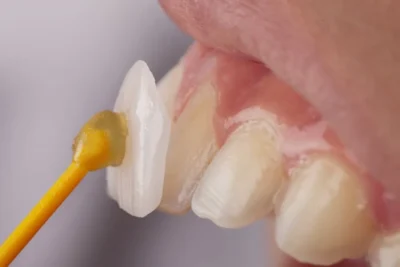
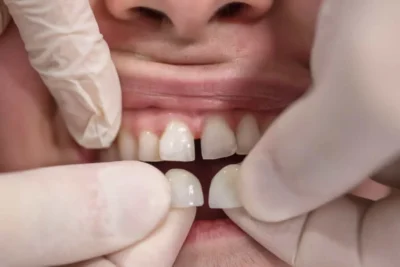
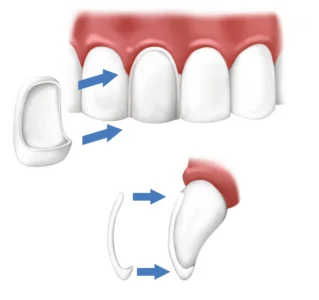
When the dental veneer procedure begins, the teeth are carefully cleaned and dried to ensure the area remains dry during the procedure. The temporary veneers are then placed on the teeth to ensure fit, shape, and color, with minor adjustments possible if necessary. Once the fit is confirmed, a special adhesive is applied to the back surface of the veneers and to the teeth themselves.
The veneer is carefully placed on the tooth and gently pressed to ensure the correct bond. The dentist uses a special light to activate the adhesive and speed up the bonding process, helping the adhesive harden quickly and secure the veneer to the tooth. Any excess adhesive is then removed and the teeth are thoroughly cleaned to ensure the veneers look natural and feel comfortable.
Finally, the doctor will perform a final check to ensure that the veneers are properly placed and look natural, and provide instructions for post-installation care.
After installing dental veneers:
After completing the dental veneer installation process, there are several steps that must be followed to ensure maintaining the ideal results and to enhance the life of the veneer:
- Dealing with allergies: You may feel some sensitivity in your teeth to heat and cold. This is normal and will usually go away within a few days.
- Avoid solid foods: It is advisable to avoid eating hard or rough foods that may damage the veneers, such as ice or hard nuts.
- Maintain oral hygiene: Maintain good oral hygiene by brushing and flossing regularly, and using a toothpaste designed for sensitive teeth if necessary.
- Visit your dentist regularly: It is important to visit your dentist regularly for a check-up of your veneers and professional teeth cleaning.
- Use a mouth guard: If you grind your teeth at night, your dentist may recommend wearing a mouth guard while you sleep to protect your veneers from damage.
- Avoid harmful habits: Avoid habits such as nail biting or using your teeth to open things, as these can damage your veneers.
What is the lifespan of dental veneers?
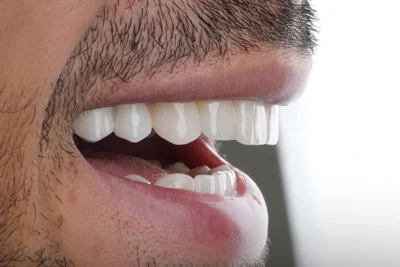
The lifespan of dental veneers depends on the type of material and how well they are cared for. Porcelain veneers typically last 10 to 15 years with proper care. Composite veneers last 5 to 7 years and require more frequent maintenance. Zirconia veneers can last 10 to 15 years or more due to their durability. Lumineers veneers, which require less tooth preparation, also last 10 to 15 years with proper care.
To prolong the life of your dental veneers, it is essential to practice good oral hygiene, such as brushing twice daily and flossing regularly to remove plaque and food debris. Avoiding hard, hard foods such as ice and hard nuts will help protect your veneers from damage. Additionally, avoid harmful habits such as nail biting or using your teeth as a tool to open things, as these habits can damage your veneers.
To prolong the life of your dental veneers, it is essential to practice good oral hygiene, such as brushing twice daily and flossing regularly to remove plaque and food debris. Avoiding hard, hard foods such as ice and hard nuts will help protect your veneers from damage. Additionally, avoid harmful habits such as nail biting or using your teeth as a tool to open things, as these habits can damage your veneers.
What are the benefits you will get if you choose to install dental veneers?
Dental veneers offer many cosmetic and functional benefits that can improve the appearance of teeth and overall oral health. Here are the most important benefits:
- Dental veneers are specially designed to match the shape, size and colour of natural teeth.
- Veneers help hide imperfections such as discoloration, cracks, and gaps between teeth.
- Veneers improve the appearance of teeth and enhance self-confidence and comfort in smiling and speaking in front of others.
- Dental veneers require the removal of a very small amount of tooth enamel compared to other cosmetic procedures, which helps preserve the natural tooth structure.
- Porcelain veneers are resistant to stains and discolorations caused by coffee, tea, and smoking.
- Porcelain and zirconia veneers can last 10 to 15 years or more with proper care, they are long lasting.
- Veneers can be used to correct minor spacing, irregularities in shape, and enamel wear.
- Veneers reduce the accumulation of plaque and bacteria on the teeth thanks to their smooth surface, thus helping to improve the health of the gums and mouth in general.
Finally:
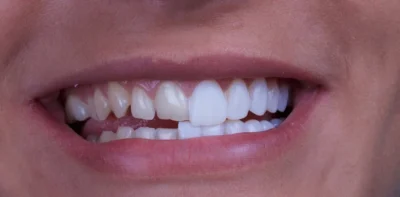
Dental veneers are an effective cosmetic solution to improve the appearance of your teeth and boost your self-confidence. Veneers provide a natural, attractive appearance and help hide imperfections such as discoloration, cracks, and gaps between your teeth. Thanks to their durability and resistance to staining, they can last for a long time with proper care. If you are looking for a bright, perfect smile, dental veneers may be the perfect choice for you.
 Arabic
 English