

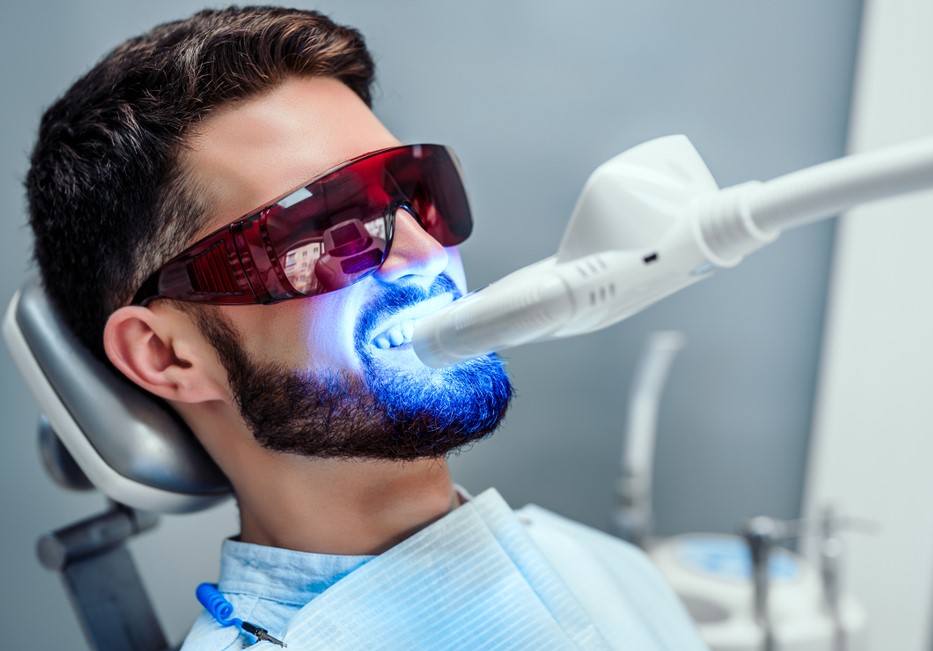
Do you dream of a bright white smile that gives you confidence in every situation? Your teeth are the first thing others notice, and their discoloration can greatly affect your self-confidence!
The good news? Teeth whitening has become easier and safer than ever before, whether from the comfort of your home or with the help of a specialist dentist. In this article, we will take you on a comprehensive tour to discover everything you need to know about teeth whitening — from the causes that change the color of your teeth, to the best available methods for achieving a brighter smile.
What is Teeth Whitening?
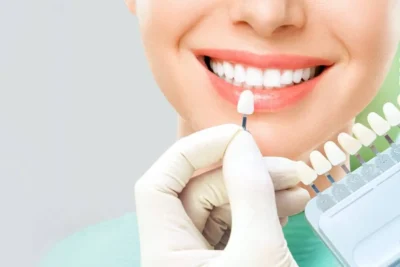
Teeth whitening is a cosmetic procedure aimed at removing stains and changing the color of teeth to make them whiter and brighter. With the growing interest in beauty and personal care, teeth whitening has become one of the most sought-after and widespread cosmetic procedures.
In this article, we will review everything you need to know about teeth whitening, from the causes that lead to tooth discoloration to the various methods that can be used to achieve a whiter smile, in addition to the expected benefits and tips for maintaining whitening results. Discover how you can boost your self-confidence through a white and bright smile.
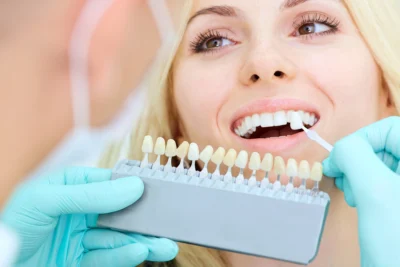
What are the causes of tooth discoloration?
Teeth discoloration can occur as a result of several factors. The following are the most prominent causes that lead to this:
- Nutritional factors
Eating certain foods and drinks can cause teeth to change color. Some of the most common foods and drinks include coffee, tea, red wine, dark sauces like soy sauce, and dark sodas. These foods contain dyes and chemicals that can stick to the surface of your teeth and change their color over time. - Smoking
Chemicals in tobacco products, such as nicotine and tar, cause brown and yellow stains on teeth. Smoking is one of the main causes of tooth discoloration. - pharmaceutical
Some medications, such as tetracycline, can cause tooth discoloration if taken during the tooth formation period (such as in childhood). Also, some other medications such as antihistamines, blood pressure medications, and some antipsychotics, can cause tooth discoloration. - Dental injuries
Tooth trauma can cause discoloration. When a tooth is traumatized, blood flow to the tooth may be cut off, causing it to turn dark.
poor oral care - Plaque and tartar buildup
Poor oral hygiene can lead to plaque and tartar buildup, which can cause tooth discoloration. Poor oral hygiene can also promote the formation of stains and discoloration on the surface of the teeth.
Knowing the different causes of tooth discoloration can help you take steps to prevent them and maintain a white, healthy smile.
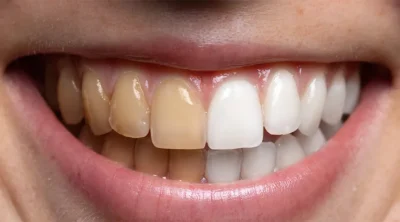
Home teeth whitening methods:
Teeth whitening at home has become popular due to the availability of many effective and convenient options. Here are the most prominent home methods for teeth whitening:
Whitening toothpastes
These toothpaste contain special chemicals or whitening agents that help remove surface stains from the teeth. Some also contain mild abrasives that deeply clean the teeth. It is important to use these toothpastes regularly for best results.
whitening gel strips
These strips are thin, transparent, and coated with a gel containing hydrogen peroxide or carbamide peroxide. The strips are applied to the teeth for a specific period of time (usually 20 to 30 minutes) daily for approximately two weeks. The strips are easy to use and provide noticeable results.
Natural recipes
- Baking soda (soda) is a popular natural whitening agent. A small amount can be mixed with water to make a paste and used to brush your teeth with a soft toothbrush. This helps whiten your teeth.
- Coconut oil: Gargling with coconut oil (a method called “oil pulling”) can help remove bacteria and plaque from your mouth, which may help improve the color of your teeth. Use a spoonful of coconut oil and gargle for 10-15 minutes, then rinse.
- Strawberries: Strawberries contain malic acid which can help whiten teeth. Strawberries can be mashed and mixed with baking soda to make a paste and applied to teeth for a short time before rinsing.
whitening pens
These pens contain a whitening gel that is applied directly to the teeth. The pens are small and easy to carry, making them a good option for quick and effective use.
Are you wondering about the safety of teeth whitening at home? Read our comprehensive article:: Is Teeth Whitening at Home Safe? Best DIY Teeth Whitening Methods
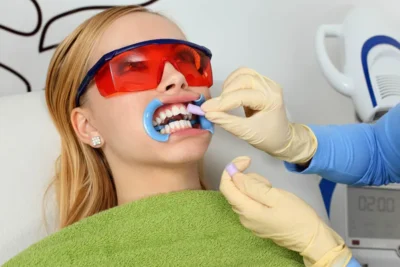
Tips for achieving the best results from home teeth whitening:
- regularity: To get noticeable results, home whitening products must be used regularly and the instructions must be followed carefully.
- Balance:Avoid overusing whitening products to avoid tooth sensitivity or enamel erosion.
- Daily care: Maintaining daily oral hygiene with brushing, flossing, and mouthwash helps enhance whitening results and maintain healthy teeth.
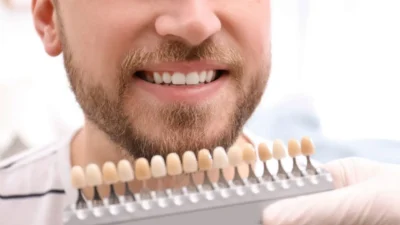
Professional teeth whitening methods:
Professional teeth whitening provides fast and effective results compared to home methods, using advanced techniques and equipment under the supervision of a specialist dentist. Here are the most prominent professional teeth whitening methods:
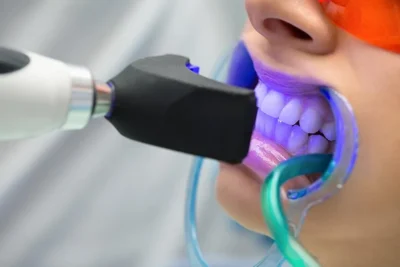
Laser teeth whitening
For laser teeth whitening, a bleaching gel containing hydrogen peroxide is applied to the teeth, and then a laser light is shone on the gel to activate the whitening process. The laser speeds up the gel's reaction with stains and pigmentation. Results appear immediately after the first session, as teeth can become noticeably whiter.
Multiple shades of whiteness can be achieved depending on the number of sessions and the degree of pigmentation. While one session usually takes from 30 to 60 minutes.
Teeth whitening in the clinic
The dentist uses a powerful whitening gel containing a high concentration of hydrogen peroxide or carbamide peroxide. The gel is applied directly to the teeth and the process is repeated several times throughout the session.
Results can be noticed after a single session, however some cases may require multiple sessions to achieve the desired results. The duration of an in-clinic teeth whitening session ranges between 60 to 90 minutes, depending on the condition of the teeth and the degree of discoloration.
chemical bleaching
The dentist uses strong bleaching chemicals such as carbamide peroxide, which penetrate the tooth enamel and break down the colored molecules. This method achieves effective results in whitening teeth noticeably. The results depend on the concentration of the gel and the duration of application. This method may require several sessions, each of which takes about 60 minutes.
Tips after professional teeth whitening:
Among the best The Best Ways to Care for Your Teeth After Cosmetic Dentistry Procedures:
- avoid coffee, tea, red wine, and colored foods for 48 hours after the session.
- Use a whitening toothpaste and a soft brush to keep your teeth white.
- Visit your dentist regularly to ensure healthy, white teeth.
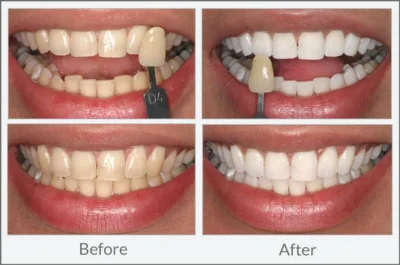
Benefits of teeth whitening:
- Teeth whitening gives you a bright white smile, enhancing the overall beauty of your face.
- It helps get rid of stains and pigmentation resulting from food, drinks, and smoking.
- A white smile makes a person more confident in social and professional situations.
- Teeth whitening encourages a person to take more care of their oral and dental health.
- It enhances the feeling of satisfaction with personal appearance, which has a positive impact on mental health.
Warnings and potential risks of teeth whitening:
- Teeth whitening may increase tooth sensitivity, especially when consuming cold or hot foods and drinks.
- Overuse of whitening products can erode tooth enamel, making it weaker and more susceptible to decay and damage.
- Excessive use of bleaching agents may result in irregular white spots on the teeth, causing an uneven appearance.
- Exposure of the gums to strong bleaching agents can cause irritation and inflammation, leading to discomfort, and may require treatment to relieve symptoms.
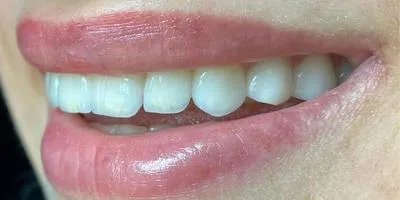
- Whitening materials only work on natural teeth and do not affect fillings or crowns, which may result in uneven tooth color.
Read also: Are Composite Veneers the Perfect Solution for Whiter Teeth?
Finally:
Teeth whitening is one of the most effective cosmetic procedures to improve the appearance of your smile and boost your self-confidence. Whether you choose home or professional methods, teeth whitening can make a noticeable difference in your daily life, enhancing your social and professional appeal. It is important to follow the tips and warnings to avoid potential risks and ensure the best results.
A bright white smile is not just a matter of beauty, it is an expression of oral health and self-care. Invest in your smile today and enjoy the many benefits that teeth whitening brings to you.
 Arabic
 English